
When to Climb Mount Kilimanjaro
The best overall times to climb Kilimanjaro are January to mid-March and June to October. These windows are generally drier, with clearer mornings and evenings and more stable trail conditions.
July to September is peak season: trails are busier (slightly less so in September), but daytime weather is often excellent. It also coincides with strong dry-season wildlife viewing if you plan a Tanzania safari afterwards. January to early March is another popular period — warm days, mostly clear skies, and occasional short showers.
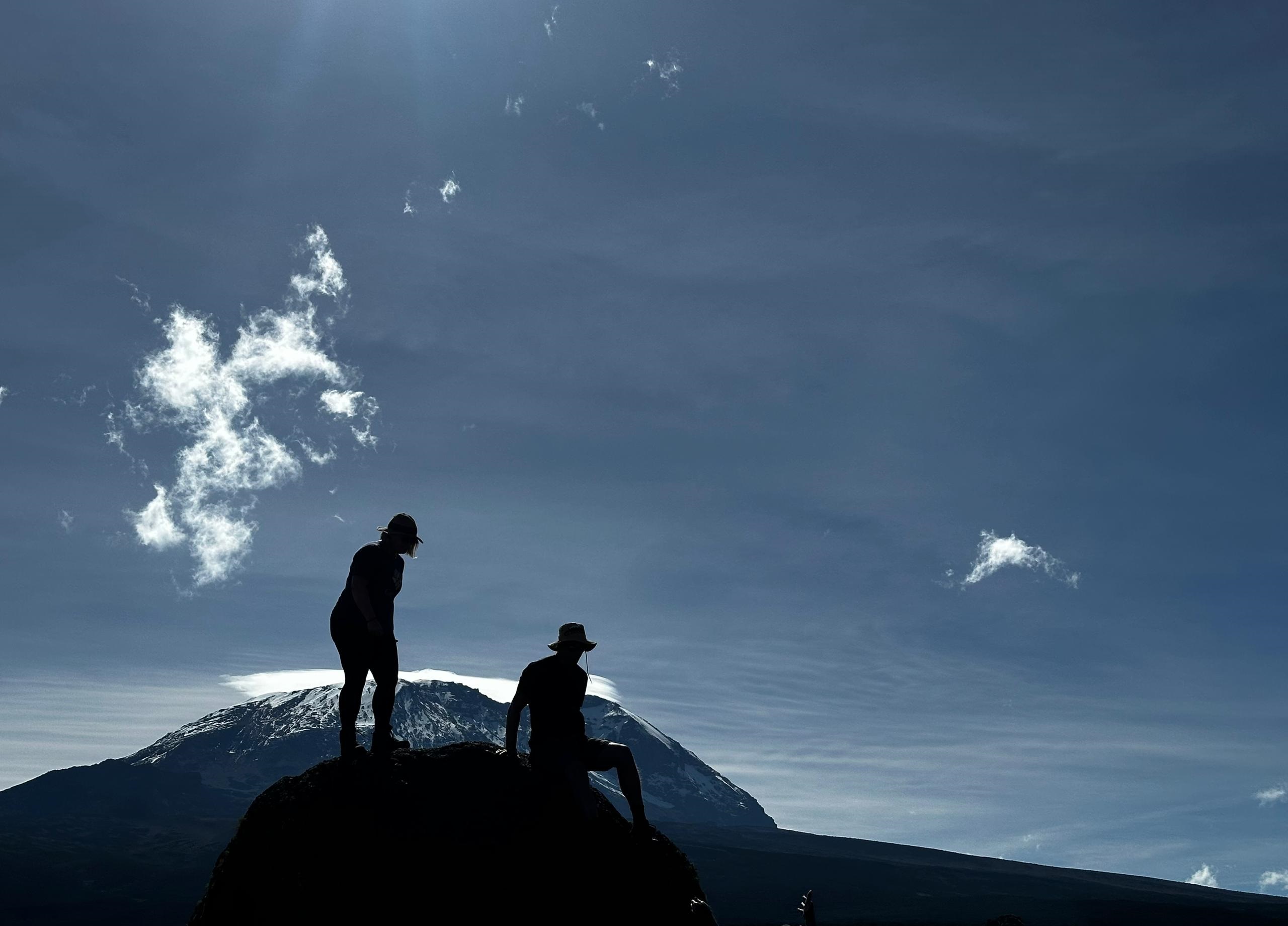
You can trek in any month. The long rains (roughly March–May) and short rains (November–December) bring more showers on the lower slopes, but rain is rarely continuous all day. Some climbers prefer these periods for quieter trails. Night-time temperatures near Uhuru Peak remain very cold in every season.
Kilimanjaro Seasons at a Glance
| Period | Weather | Crowds | Best for |
|---|---|---|---|
| Jan – mid-Mar | Warm, mostly dry, clear mornings | High | Reliable weather, calving-season safari |
| Late Mar – May | Long rains; daily showers possible | Low | Quieter trails, lower prices |
| Jun – mid-Jul | Dry season starts; cool nights | Medium | Clear views before peak crowds |
| Late Jul – Sep | Dry, stable; cold nights | Peak | Best dry weather + migration safari |
| October | Often dry before short rains | Medium–Low | Good weather, fewer crowds |
| Nov – Dec | Short rains; brief showers | Variable | Quieter climbs, refreshing showers |
Month-by-Month Guide
January, February & early March
Among the warmest months on the mountain, with clear skies in the mornings and evenings. Very popular. Short showers can occur during the day. Excellent for combining with a southern Serengeti calving-season safari.
April & May (long rains)
Expect one heavier shower most days, mainly on lower and forest zones. Rain is not usually all-day, and much of the regional rain falls toward the coast. Trails are less crowded; good waterproof layers are essential. Some operators offer more flexible pricing.
June, July & August
Tanzania’s “winter” months: still warm by day, colder at night. June is a strong choice — dry and not yet as busy as July–August. Peak season runs through August; book early for preferred routes and departure dates.
August & September
Peak months on Kilimanjaro. Trails are busiest; September is often a little quieter and slightly warmer than August. Ideal if you want dry weather and a Great Migration safari in the Serengeti–Ngorongoro ecosystem afterwards.
October
Frequently an excellent climbing month: many peak-season visitors have left, and the short rains have often not fully arrived. Clear views are common. A smart choice for weather without full peak-season density.
November & December (short rains)
Showers tend to be shorter and can feel refreshing on the trail. Crowds are lower than mid-year. December holidays can bring a small uptick in bookings. Pack good rain protection and expect mixed conditions day to day.
Temperature, Altitude and What to Pack
Regardless of month, summit night is cold. Night-time temperatures at Uhuru Peak commonly range from about −7°C to −29°C (roughly 19°F to −20°F). Wind chill can make it feel colder. Lower camps are milder, but nights above 4,000 m are always cool to cold.
See our full equipment and gear guide for a detailed packing list.
Crowds and Combining with a Safari
Busiest periods: late July through September, and January–February. Book routes and camps early if you travel then.
Quieter periods: late March through May, much of October, and stretches of November–early December (outside local holidays).
If you want both a climb and wildlife:
- July–October — dry-season game viewing; Great Migration often in the northern Serengeti / Mara area.
- January–March — southern Serengeti calving season; predator action is often excellent.
Explore our safari options and Great Migration itineraries to pair with your trek.
Tips for Choosing Your Dates
Plan the Rest of Your Climb
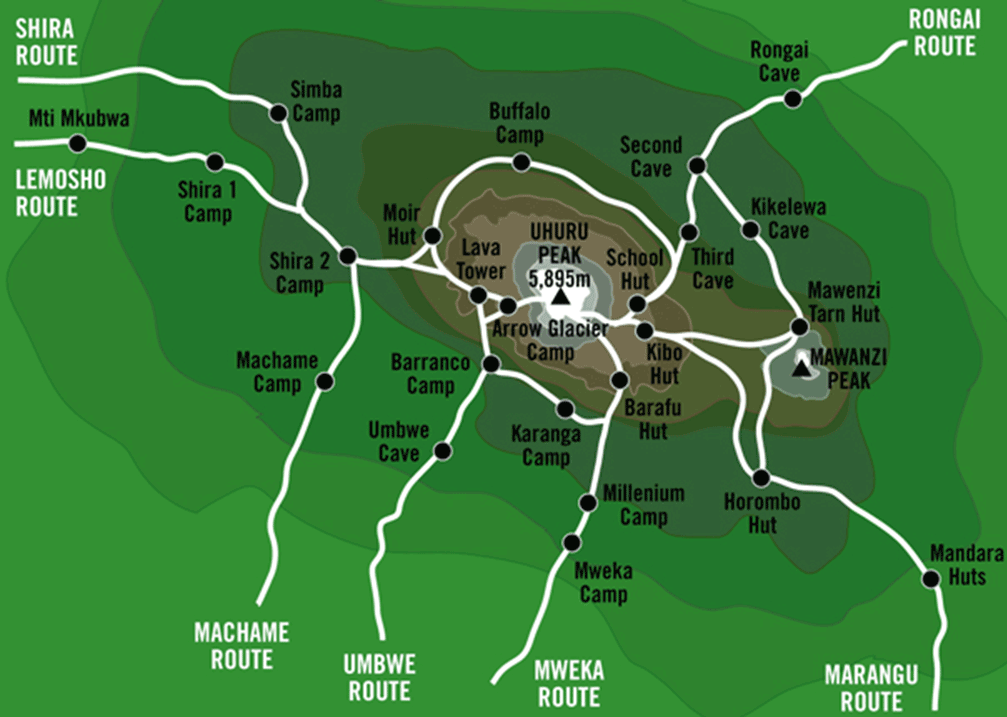 Kilimanjaro Routes
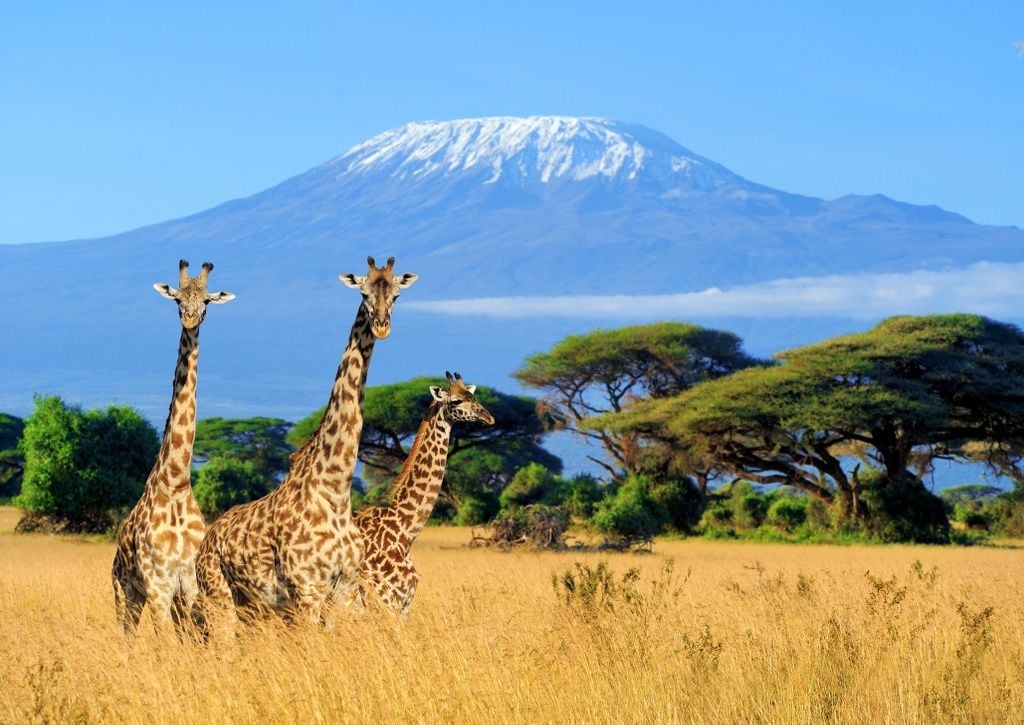 Facts about Kilimanjaro
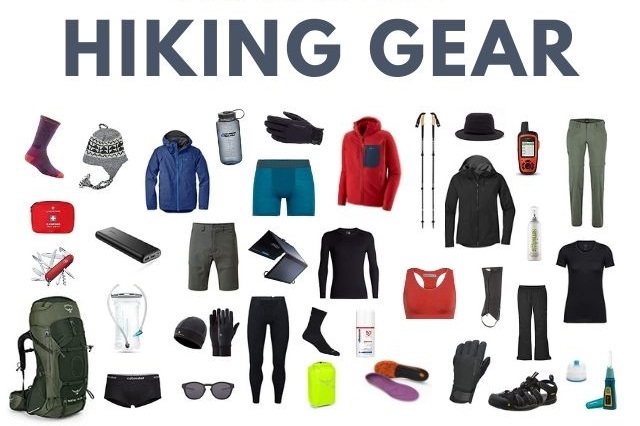 Equipments & Gears
 Safety on Kilimanjaro
Also check the Tanzania visa guide, booking terms and Zanzibar for after the trek.
Best Time to Climb: Frequently Asked Questions
What is the best time to climb Kilimanjaro?
The most reliable windows are January to mid-March and June to October. July–September and January–February are the most popular months.
Can you climb in the rainy season?
Yes. Climbs run year-round. March–May and November–December bring more showers, especially lower down, but many people still reach the summit with proper rain gear and pacing.
How cold is the summit?
Night temperatures at Uhuru Peak often fall between about −7°C and −29°C. Warm layers and a good sleeping bag are required in every season.
When are the trails least crowded?
Late March–May, much of October, and quieter stretches of November–December (outside holidays) tend to see fewer climbers than peak mid-year and early-year months.
Is June a good month?
Yes. June is usually dry and less crowded than July–August, with clear views and cold nights — a strong balance of weather and trail density.
Can I combine the climb with a safari?
Yes. July–October suits dry-season migration viewing; January–March suits southern Serengeti calving season. We can help sequence both in one trip.