
About Kilimanjaro Equipment & Gears
Planning a Kilimanjaro packing list can feel overwhelming. This guide covers the clothing and personal equipment you need for a safe, comfortable climb. If you follow it, you will be well prepared for rainforest, alpine desert and summit night.
Communal equipment (tents, food, cooking gear, group first-aid supplies, tables and chairs where used) is provided by the operator. You are responsible for the personal gear listed below.
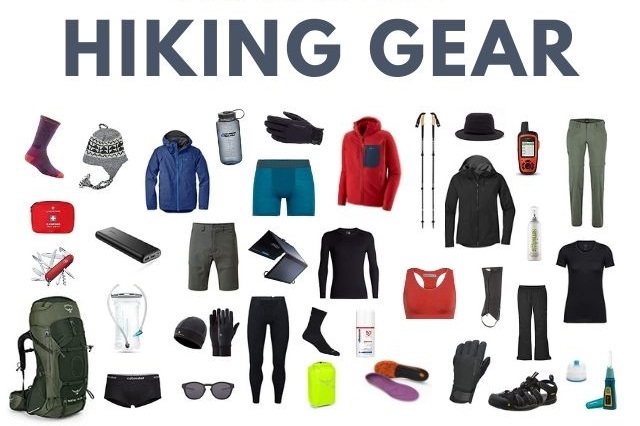
The most common mistake is over-packing. Be selective. Porters are limited to carrying 15 kg (33 lbs) of your personal belongings in a soft duffel. You carry a 30–35 L daypack with water, snacks, layers and items needed on the trail each day.
Essential Packing Tips
Mount Kilimanjaro Gear List
Expand each category. Items marked optional or recommended are helpful but not always essential.
Technical clothing
- 1 × Waterproof jacket, breathable, with hood
- 1 × Insulated jacket (synthetic or down), with hood
- 2 × Soft jacket (fleece or soft-shell)
- 3 × Long-sleeve shirts, moisture-wicking (hood recommended)
- 1 × Short-sleeve shirt, moisture-wicking optional
- 1 × Waterproof pants, breathable (side zip recommended)
- 2 × Hiking pants
- 1 × Fleece pants (warm)
- 1 × Shorts optional
- 1 × Long underwear (base layer), moisture-wicking
- 4 × Underwear, moisture-wicking
- 3 × Sport bras (women)
Headwear
- 1 × Brimmed hat (sun protection)
- 1 × Knit hat (warmth)
- 1 × Neck gaiter (dust, wind and warmth)
Handwear
- 1 × Warm gloves (waterproof recommended)
- 1 × Light gloves or liners
Footwear
- 1 × Hiking boots or shoes — warm, waterproof, broken in
- 4 × Socks, wool or synthetic
- 1 × Gaiters, waterproof optional
Accessories
- 1 × Sunglasses (high UV protection)
- 1 × Backpack cover, waterproof optional
- 1 × Water bottle (e.g. 1 L / 32 oz hard bottle)
- 1 × Water bladder (CamelBak-type, about 3 litres) recommended
- 1 × Pee bottle (to avoid leaving the tent at night) highly recommended
- Stuff sacks, dry bags or zip-lock bags — keep gear dry and organised
Equipment
- 1 × Sleeping bag — warm, four-season (aim for −10°C to −15°C rating or colder)
- 1 × Sleeping pad, inflatable optional (foam pad often provided)
- 1 × Camp pillow, inflatable optional
- 1 × Trekking poles, collapsible highly recommended
- 1 × Headlamp with extra batteries
- 1 × Duffel bag, 70–90 L — for porters to carry your equipment
- 1 × Daypack, 30–35 L — for personal gear on the trail
Other essentials
- Toiletries (travel-size)
- Personal prescriptions and medications
- Sunscreen (high SPF)
- Lip balm with SPF
- Insect repellent (DEET or equivalent for lower camps)
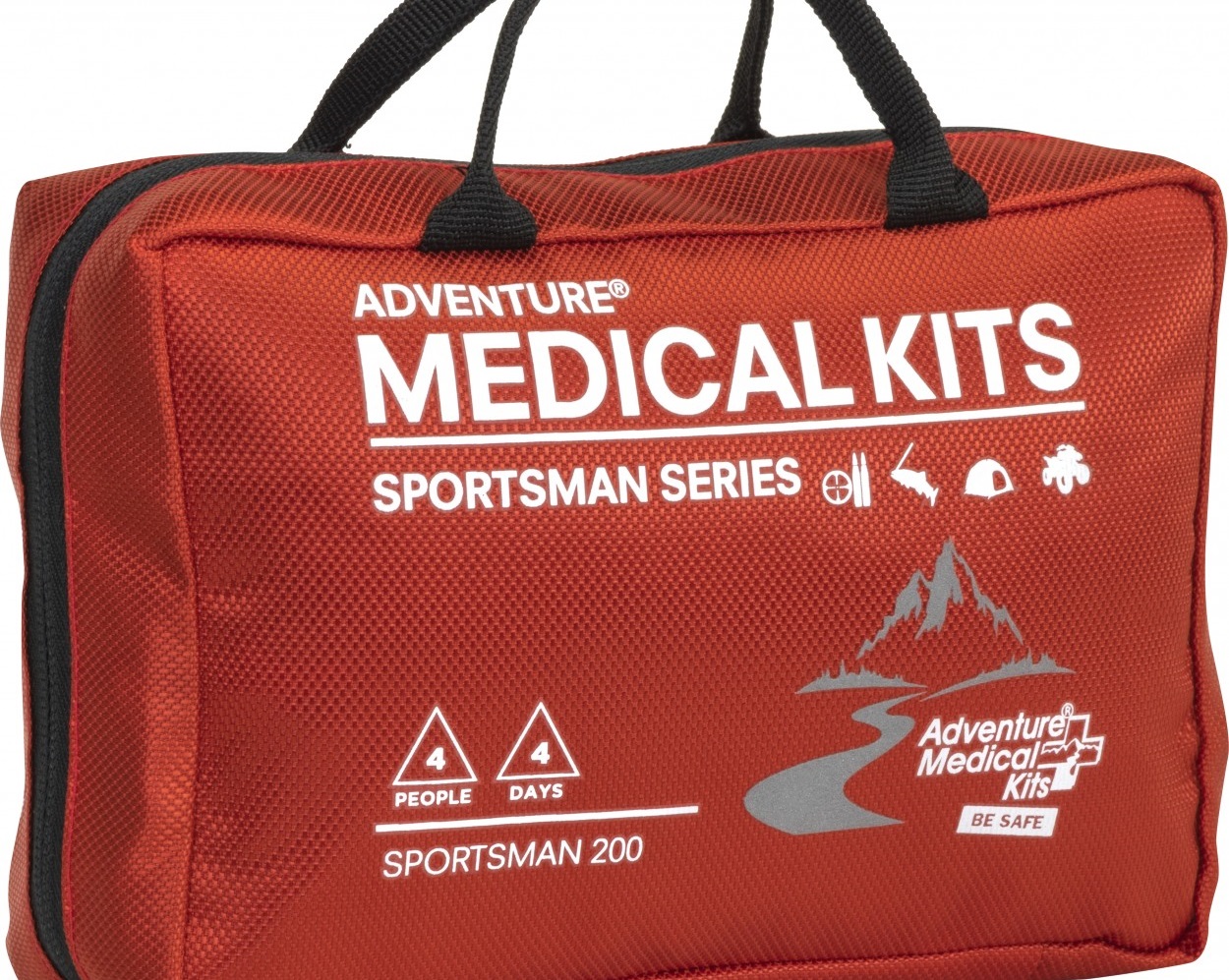
- Personal first-aid kit (blister care, pain relief, etc.)
- Hand sanitiser
- Toilet paper
- Wet wipes recommended
- Lightweight high-calorie snacks optional
- Electrolyte powder or tablets optional
- Camera with extra batteries optional
Paperwork
- Trip / booking confirmation
- Passport (valid, with blank pages)
- Visa (available on arrival at JRO for many nationalities — confirm current rules)
- Immunisation records if required for travel
- Travel insurance documents (medical + evacuation recommended)
For entry requirements see our Tanzania traveller visa guide.
Plan the Rest of Your Climb
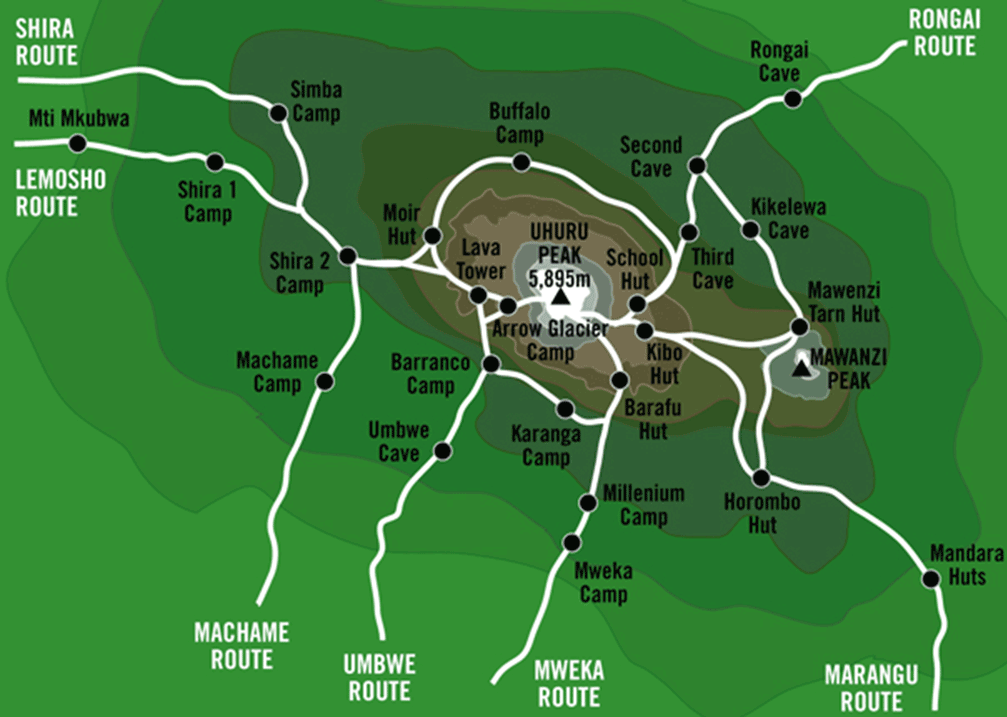 Kilimanjaro Routes
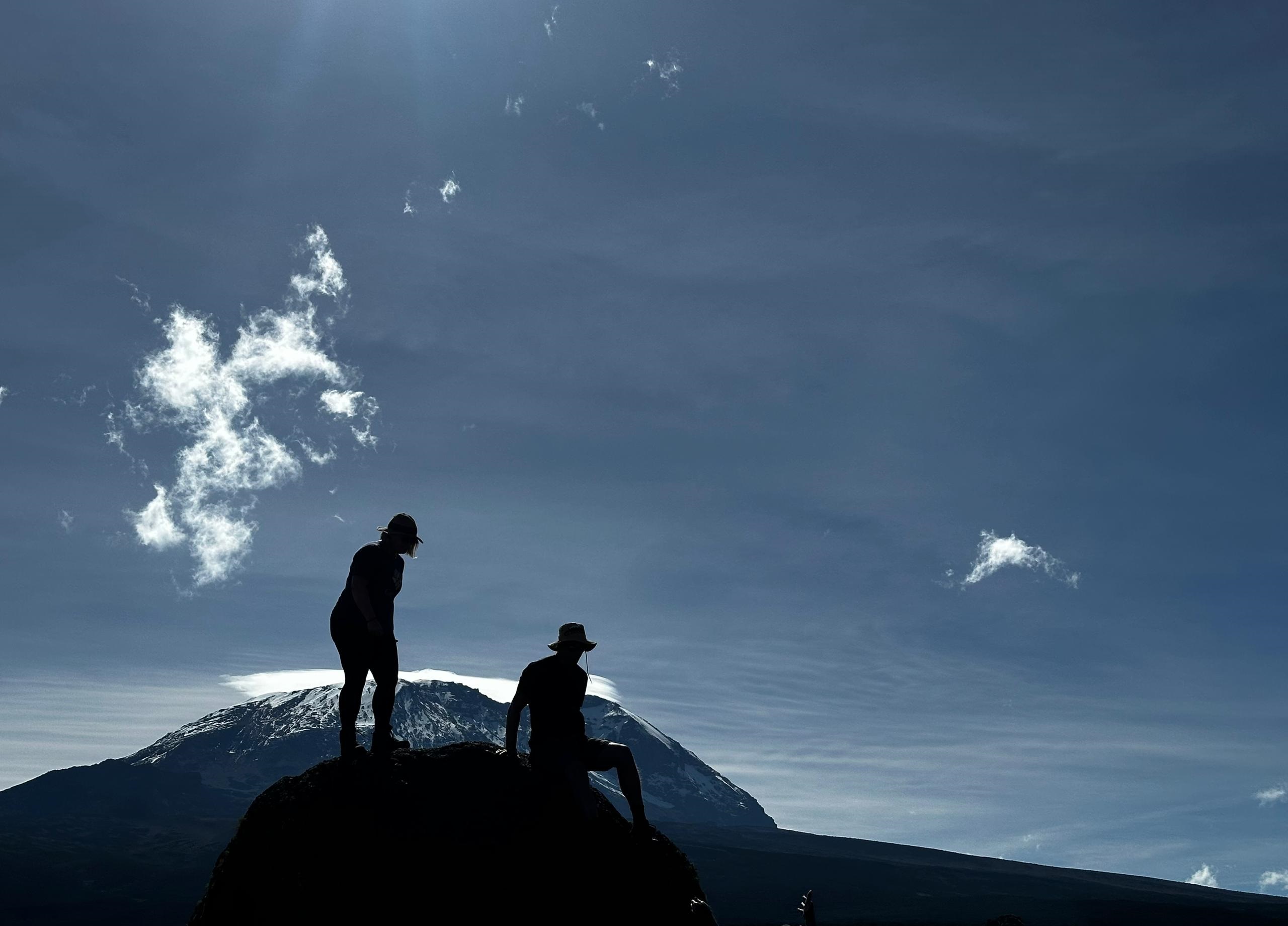 Best Time to Trek
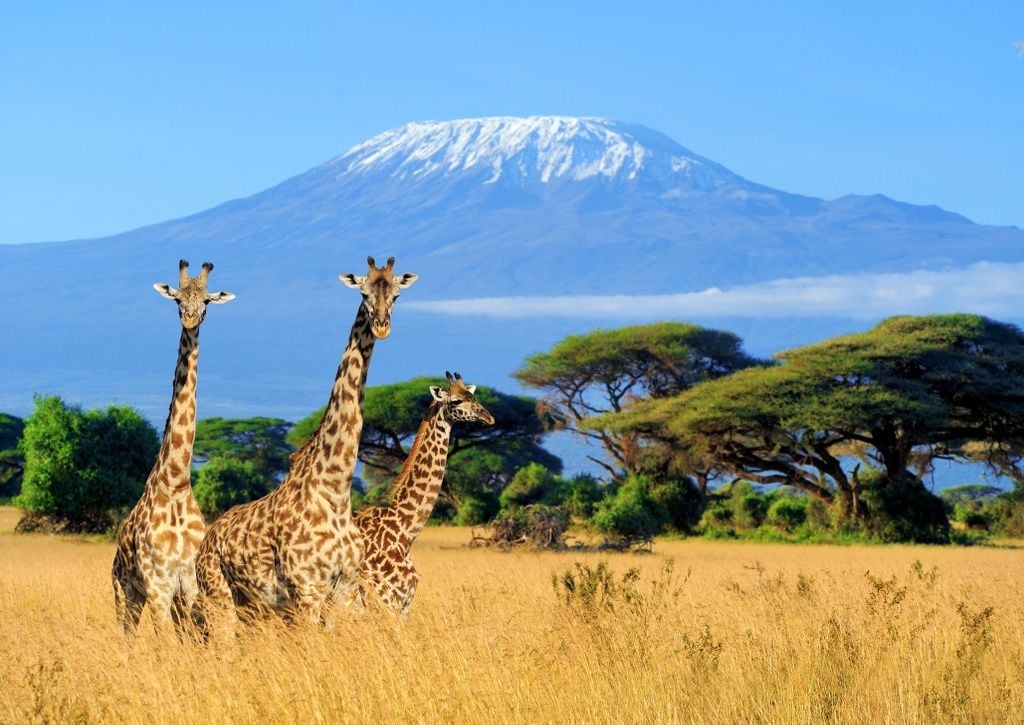 Facts about Kilimanjaro
 Safety on Kilimanjaro
Gear List: Frequently Asked Questions
What gear do I need for Kilimanjaro?
Layered clothing, waterproof shell, warm insulated jacket, hiking boots, wool/synthetic socks, four-season sleeping bag, daypack, duffel, headlamp, poles, sunglasses and personal toiletries. The operator provides tents, food and group camping equipment.
How much can porters carry?
Porters may carry up to 15 kg (33 lbs) of your personal belongings in a soft duffel. Keep your daypack for daily essentials only.
Can I rent gear in Moshi or Arusha?
Yes. Sleeping bags, trekking poles, insulated jackets and some other items are commonly available to rent. Bring your own well-fitted boots when possible.
What sleeping bag rating do I need?
A four-season bag comfortable to about −10°C to −15°C (or colder) is recommended. Summit nights regularly drop well below freezing.
Are trekking poles necessary?
They are highly recommended. Poles protect knees on long descents and improve stability on loose scree and steep sections.
What goes in my daypack?
Water (2–3 L), snacks, rain shell, extra warm layer, sunscreen, sunglasses, headlamp, camera, medication and anything else you need between camps. The bulk of your kit stays in the porter duffel.