Umbwe Route
Umbwe is a short, steep and direct southern route and is widely regarded as the most challenging trail on Kilimanjaro. The first two days are particularly steep and can be muddy. Although traffic is low, the success rate is also lower because of the rapid altitude gain and limited time for acclimatisation. This route is recommended only for experienced and well-trained climbers who are confident of their ability to adapt quickly to altitude.
6 Days Umbwe Route
Approaching from the south, the trail climbs sharply through rainforest onto a narrow ridge. After reaching Barranco Camp it follows the Southern Circuit to the summit. Descent is via the Mweka route. The short acclimatisation window makes this itinerary suitable only for strong hikers.
What to Expect on the Trek
Steep & direct
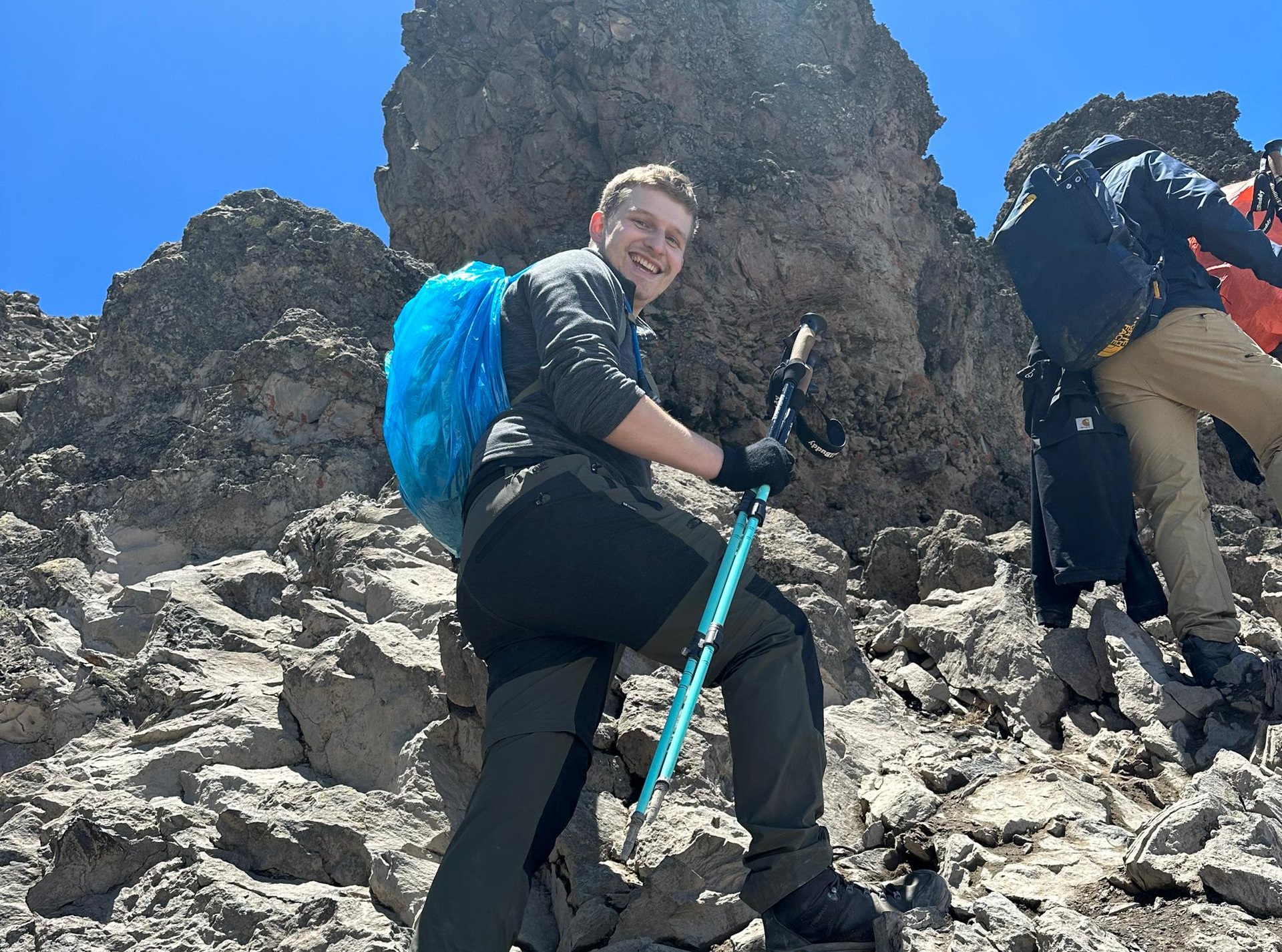
The first two days gain altitude rapidly on a steep, sometimes muddy ridge – the main reason Umbwe is considered the hardest route.
Low traffic
Because of its difficulty, Umbwe sees far fewer climbers than Machame or Lemosho.
Scenic ridge
Despite the challenge, the ridge walk and views into Barranco Valley are among the most dramatic on the mountain.
Limited acclimatisation
Only six days on the mountain means less time for the body to adapt. Strong previous high-altitude experience is essential.
Umbwe 6 Days Quick Facts
| Route type | Camping route (steep southern approach) |
|---|---|
| Duration | 6 days on the mountain plus arrival day |
| Start | Umbwe Gate |
| Finish | Mweka Gate |
| Summit | Uhuru Peak, 5,895 m (19,341 ft) |
| Accommodation | Private four-season mountain tents |
| Difficulty | Most challenging / steepest |
| Best for | Experienced, strong hikers only |
Explore the Detailed Itinerary
Day 0Arrival in Tanzania
Arrive at Kilimanjaro International Airport (JRO), where you will meet a Kilimanjaro Joyful Adventures representative and transfer to your hotel. The hotel provides all the essentials for a comfortable stay, and your guide will brief you and check your gear.
Day 1Umbwe Gate to Umbwe Camp
After registration formalities (often completed at Machame Gate) you transfer to Umbwe Gate. The trail ascends sharply on a forestry track through dense rainforest, then narrows and steepens as you climb the ridge between two rivers. Umbwe Camp is perched among trees and thick undergrowth.
Day 2Umbwe Camp to Barranco Camp
The path becomes rockier with sparse undergrowth and moss-covered trees. As you gain elevation, glimpses of Kilimanjaro appear. From the Umbwe ridge the route descends through the strange but beautiful Senecio Forest into Barranco Valley and Barranco Camp.
Day 3Barranco Camp to Karanga Camp
Descend into a ravine to the base of the Great Barranco Wall, then climb the non-technical but steep cliff (nearly 900 ft). From the top you cross a series of hills and valleys before a sharp descent into Karanga Valley and a final climb to Karanga Camp. This shorter day aids acclimatisation.
Day 4Karanga Camp to Barafu Camp
Leave Karanga and join the Mweka Trail junction. Continue up the rocky section to Barafu Camp. You have now completed the Southern Circuit. Rest, enjoy an early dinner and prepare for the midnight summit push. Mawenzi and Kibo are clearly visible from here.
Day 5Barafu Camp to Uhuru Peak to Mweka Camp
Around midnight begin the final push. This is the most mentally and physically demanding part of the trek. Ascend in darkness for several hours to Stella Point, then continue to Uhuru Peak – the highest point in Africa. After celebrating, descend straight to Mweka Camp (stopping at Barafu for lunch). The rocky trail can be hard on the knees; trekking poles help.
Day 6Mweka Camp to Mweka Gate
Continue the descent to Mweka Gate and collect your summit certificates. Lower elevations can be wet and muddy. A vehicle meets you at the gate and drives you back to your hotel in Moshi or Arusha.
Elevations, distances and times are approximate and can change with weather and group pace.
Camps and Altitude at a Glance
| Night | Camp | Approx. altitude |
|---|---|---|
| 1 | Umbwe Camp | ≈ 2,900 m / 9,500 ft |
| 2 | Barranco Camp | ≈ 3,960 m / 13,000 ft |
| 3 | Karanga Camp | ≈ 4,035 m / 13,240 ft |
| 4 | Barafu Camp | ≈ 4,640 m / 15,230 ft |
| 5 | Mweka Camp (after the summit) | ≈ 3,100 m / 10,170 ft |
Price Includes & Excludes
Includes
- Quality, waterproof, four-season private mountain sleeping tents
- Professional, experienced mountain guides
- All park fees
- Airport transfers
- Rescue fees
- All meals while on the mountain
- Guides, porters and cook salaries and park fees
- Quality mess tents with table and chairs
- Large portions of fresh, healthy, nutritious food
- Clean, purified drinking water
- Oximeter
- Medical kit
- Emergency oxygen
- Crisis management and safety procedures
- Fair and ethical treatment of porters
- 2 nights’ accommodation in Moshi/Arusha before and after the climb
Excludes
- Flights
- Alcoholic and soft drinks
- Visa fees
- Tips and personal spending money for souvenirs, etc.
- Travel insurance
Read our booking terms and check the Tanzania visa guide before you travel.
How to Prepare for the Umbwe Route
Be honest about fitness
This route demands excellent cardiovascular fitness and previous multi-day hiking experience at altitude.
Pack for steep & muddy terrain
Good boots, gaiters and trekking poles are essential for the steep, potentially muddy first days. See our equipment list.
Acclimatise carefully
Because the schedule is short, listen closely to your guide and report any symptoms immediately. Read about safety on Kilimanjaro.
Choose your season
The dry seasons (January–mid-March and June–October) usually give the best conditions. See the best time to trek.
Umbwe 6 Days: Frequently Asked Questions
Is the Umbwe route the hardest on Kilimanjaro?
Yes. Umbwe is widely regarded as the steepest, shortest and most challenging route because of the rapid altitude gain in the first two days and the limited time for acclimatisation.
Who should attempt the Umbwe route?
Only strong, experienced hikers who are confident in their ability to acclimatise quickly. It is not recommended for first-time high-altitude trekkers.
Why is the success rate lower on Umbwe?
The route gains altitude very quickly with little time for the body to adapt. This increases the risk of altitude-related problems compared with longer routes such as Lemosho or the Northern Circuit.
Is the Umbwe route scenic?
Yes. Despite its difficulty it is considered one of the most scenic routes, especially the ridge walk and the views into Barranco Valley.
What is not included in the price?
Flights, alcoholic and soft drinks, visa fees, tips and personal spending money for souvenirs, and travel insurance are not included.