
7 Days Machame Route
The Machame Route approaches Mount Kilimanjaro from the south and is one of the mountain's most scenic trekking routes. The seven-day option allows a more gradual progression through different altitude zones and gives climbers more time to adapt to the mountain environment.
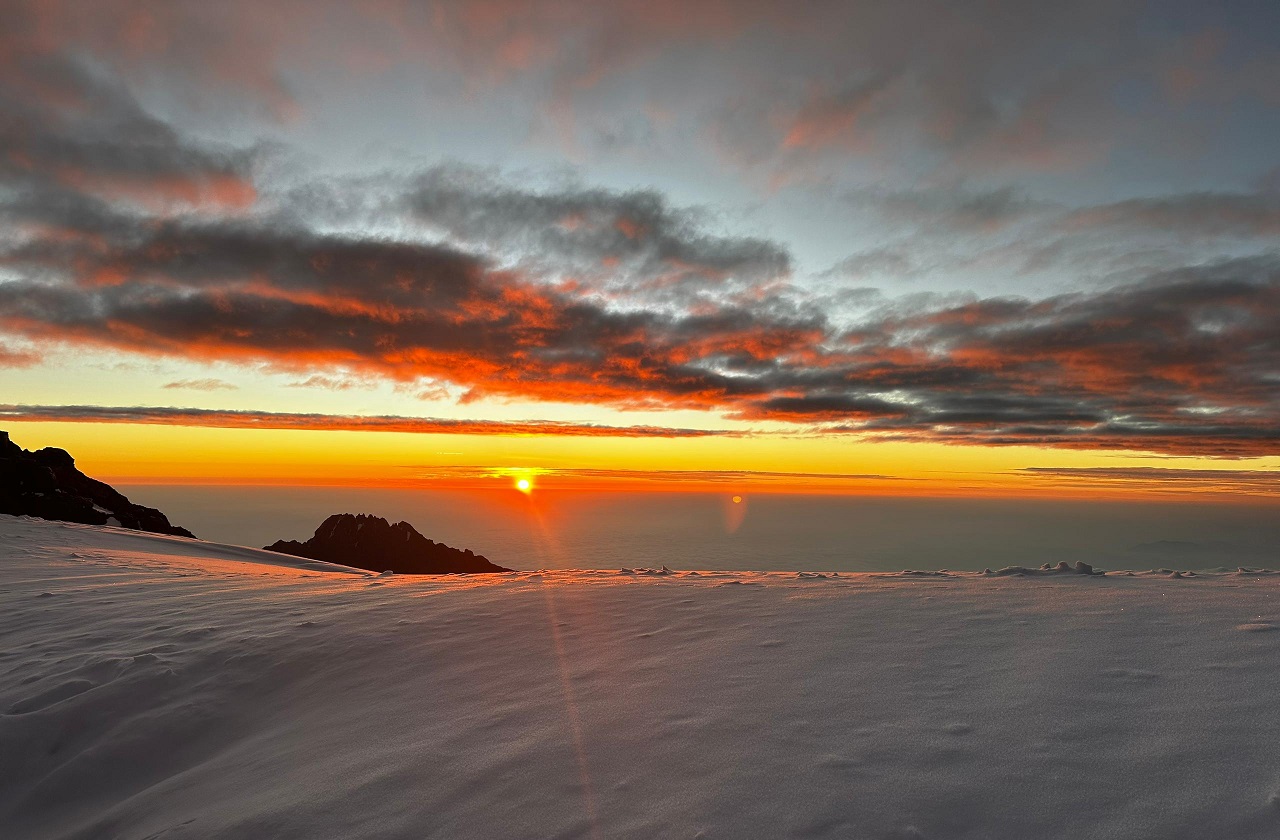
Machame Route 7 Days Overview
The Machame Route is a beautiful and popular way to climb Kilimanjaro. The seven-day itinerary combines scenic landscapes with a trekking schedule designed to provide good acclimatisation. You will pass through rainforest, moorland, semi-desert and alpine terrain before reaching the summit.
This route is suitable for climbers who want a scenic camping trek and are prepared for several consecutive days of hiking at increasing altitude.
Machame 7 Days Quick Facts
| Route type | Camping route approaching from the south |
|---|---|
| Duration | 7 days on the mountain plus arrival day |
| Start | Machame Gate |
| Finish | Mweka Gate |
| Summit | Uhuru Peak, 5,895 m (19,341 ft) |
| Accommodation | Private four-season mountain tents |
| Main acclimatisation section | Shira → Lava Tower → Barranco |
| Technical skills | None required |
Machame Route 7 Days Detailed Itinerary
Day 0Arrival in Tanzania
Arrive at Kilimanjaro International Airport (JRO), where you will meet a Kilimanjaro Joyful Adventures representative and transfer to your hotel. The hotel provides the essentials for a comfortable stay before the trek, and your guide will brief you and check your gear.
Day 1Machame Gate to Machame Camp
You drive from your hotel around Moshi or Arusha to the Mount Kilimanjaro National Park gate, passing through the village of Machame on the lower slopes. After leaving the gate, you hike through the rainforest on a winding trail up a ridge. The lower trail can be muddy and slippery, so gaiters and trekking poles can be useful. You continue until you reach Machame Camp.
Day 2Machame Camp to Shira Camp
After breakfast, you leave the rainforest and continue on an ascending path, crossing a small valley and following a steep rocky ridge covered with heather. The route then turns west toward a river gorge. After the day's hike, you rest, have dinner and stay overnight at Shira Camp.
Day 3Shira Camp to Lava Tower to Barranco Camp
From the Shira Plateau, continue east along a ridge and pass the junction toward the peak of Kibo. The route then turns southeast toward Lava Tower, sometimes called the “Shark's Tooth”. After the Lava Tower section, you descend toward Barranco Camp. Although you finish the day at a similar elevation to where you started, this “climb high, sleep low” section is an important part of acclimatisation and helps prepare your body for the higher stages of the trek.
Day 4Barranco Camp to Karanga Camp
After breakfast, leave Barranco and continue over the Barranco Wall toward Karanga Valley. This is a relatively short trekking day and provides another opportunity to acclimatise before the climb toward Barafu Camp.
Day 5Karanga Camp to Barafu Camp
After breakfast, leave Karanga and reach the junction connecting with the Mweka Trail. Continue upward to Barafu Camp. From this area, views toward Mawenzi and Kibo may be visible. You rest, have an early dinner and prepare for the summit attempt.
Day 6Barafu Camp to Uhuru Peak, then down to Mweka Camp
You start very early in the morning for the summit attempt. The climb toward the crater rim is the most physically and mentally challenging part of the trek. The ascent continues to Stella Point (about 5,756 m / 18,885 ft) before proceeding around the crater rim to Uhuru Peak, the highest point in Africa. After reaching Uhuru Peak, you begin the descent toward Mweka Camp, and may stop at Barafu for lunch before continuing downward. The lower trail can be loose and dusty, so trekking poles and gaiters can be useful.
Day 7Mweka Camp to Mweka Gate
After breakfast, continue the descent through the rainforest to Mweka Gate. At the gate, successful climbers can receive their summit certificates. A vehicle meets you at Mweka Gate for the transfer back to your hotel in Moshi or Arusha.
Elevations, distances and times are approximate and can change with weather and group pace.
Camps and Altitude at a Glance
| Night | Camp | Approx. altitude |
|---|---|---|
| 1 | Machame Camp | 3,000 m / 9,850 ft |
| 2 | Shira Camp | 3,850 m / 12,600 ft |
| 3 | Barranco Camp | 3,900 m / 12,800 ft |
| 4 | Karanga Camp | 4,000 m / 13,100 ft |
| 5 | Barafu Camp | 4,600 m / 15,100 ft |
| 6 | Mweka Camp (after the summit) | 3,050 m / 10,000 ft |
Note the pattern on day 3: you climb to Lava Tower (about 4,600 m) and sleep lower at Barranco. This “climb high, sleep low” rhythm is one reason the route helps with acclimatisation.
Why Choose 7 Days Machame Instead of 6 Days?
The seven-day Machame itinerary gives climbers more time on the mountain than the six-day version. For trekkers who prioritise acclimatisation and a more comfortable pace, the seven-day option is a strong choice.
| Feature | Machame 6 Days | Machame 7 Days |
|---|---|---|
| Mountain duration | 6 days | 7 days |
| Pace | Faster | More gradual |
| Acclimatisation time | Good | Better suited to a slower pace |
| Recommended for | Trekkers with less time | Climbers who prioritise acclimatisation |
Is the 7-Day Machame Route Right for You?
Choose Machame 7 days if…
You want a scenic route, prefer a longer itinerary, want time to adjust to altitude and are comfortable camping on the mountain.
Consider another route if…
You prefer permanent mountain huts rather than camping. Compare the 6-day Marangu Route, or see every option on our Kilimanjaro routes page.
Want an even more gradual climb? The 8-day Lemosho adds another day, and the 7-day Rongai is a quieter option from the north. Read our Kilimanjaro trekking information for more background.
Price Includes & Excludes
What's Included
- Quality, waterproof, four-season private mountain sleeping tents
- Professional, experienced mountain guides
- All applicable park fees
- Airport transfers
- Rescue fees
- All meals while on the mountain
- Guides, porters and cook services
- Quality mess tent with table and chairs
- Fresh, healthy and nutritious meals
- Clean, purified drinking water
- Pulse oximeter
- Medical kit
- Emergency oxygen
- Crisis management and safety procedures
- Fair and ethical treatment of porters
- 2 nights' accommodation in Arusha before and after the climb
What's Not Included
- International or domestic flights
- Alcoholic and soft drinks
- Visa fees
- Tips and personal spending money
- Souvenirs and other personal expenses
- Travel insurance
Read our booking terms and check the Tanzania visa guide before you travel.
How to Prepare for the Machame Route
Train for consecutive days
Hike regularly with a loaded daypack in the weeks beforehand, and break in your boots well before you travel.
Pack for every climate
You pass from warm rainforest to freezing summit conditions. See our equipment and gear list.
Go slowly
Walk at a steady pace, drink plenty of water and tell your guide about any symptoms. Read about safety on Kilimanjaro.
Time your trip
The dry seasons, January to mid-March and June to October, usually give the best conditions. See the best time to trek.
Machame Route 7 Days Frequently Asked Questions
Is the 7-day Machame Route difficult?
It is a demanding high-altitude trek, but no technical climbing skills are required. Physical preparation, walking at a steady pace and following your guide's instructions are important.
Why choose 7 days on the Machame Route?
The seven-day Machame itinerary provides more time on the mountain and a more gradual trekking schedule than the shorter Machame option. It also includes the Lava Tower to Barranco section, an important acclimatisation day.
Is the 7-day Machame Route suitable for first-time climbers?
Yes. The route is physically demanding but does not require technical climbing skills. Good preparation, a steady pace and following the guide's acclimatisation advice are important.
What is the highest point on the Machame Route?
The highest point is Uhuru Peak on Mount Kilimanjaro at 5,895 metres (19,341 feet) above sea level.
Where do you sleep on the Machame Route?
Machame is a camping route. Trekkers stay in mountain campsites using private four-season mountain tents. Unlike the Marangu Route, there are no huts.
What is the most difficult day?
Summit day is normally the most physically and mentally demanding part of the trek. The ascent begins very early from Barafu Camp and continues to Uhuru Peak before descending to Mweka Camp.
When does the summit attempt start?
The summit attempt normally starts around midnight to 2:00 am from Barafu Camp, depending on the group and mountain conditions.
What safety equipment is included?
The package includes an oximeter, medical kit, emergency oxygen and crisis management and safety procedures as listed in the trek inclusions.
What happens if a climber needs to descend early?
The trekking team follows safety procedures and guides assess each climber's condition. Any decision to descend is made with safety as the priority.
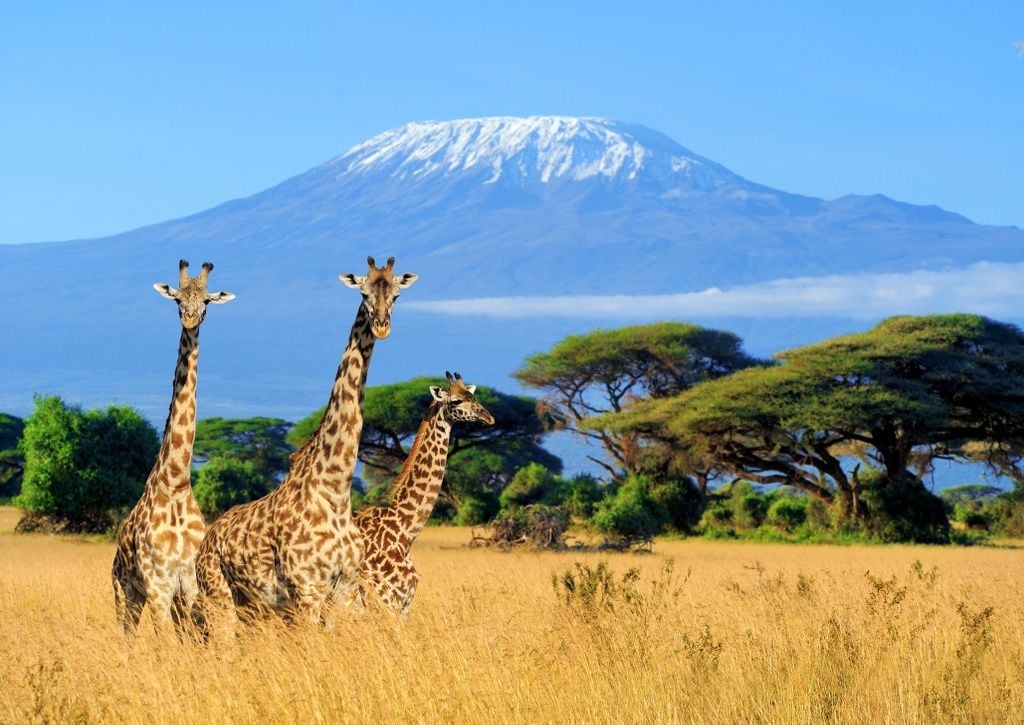 Facts About Mount Kilimanjaro
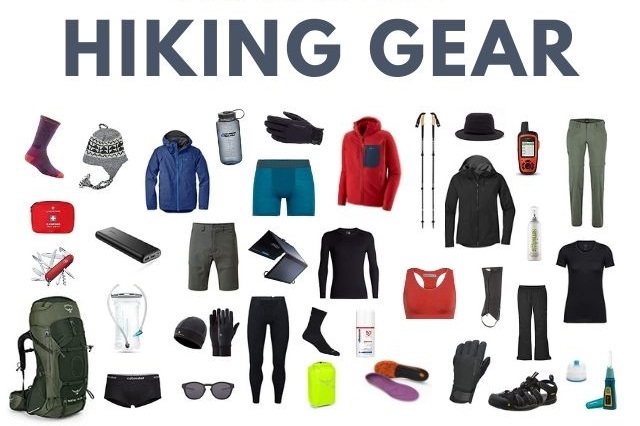 Kilimanjaro Equipment & Gear
 Safety on Mount Kilimanjaro
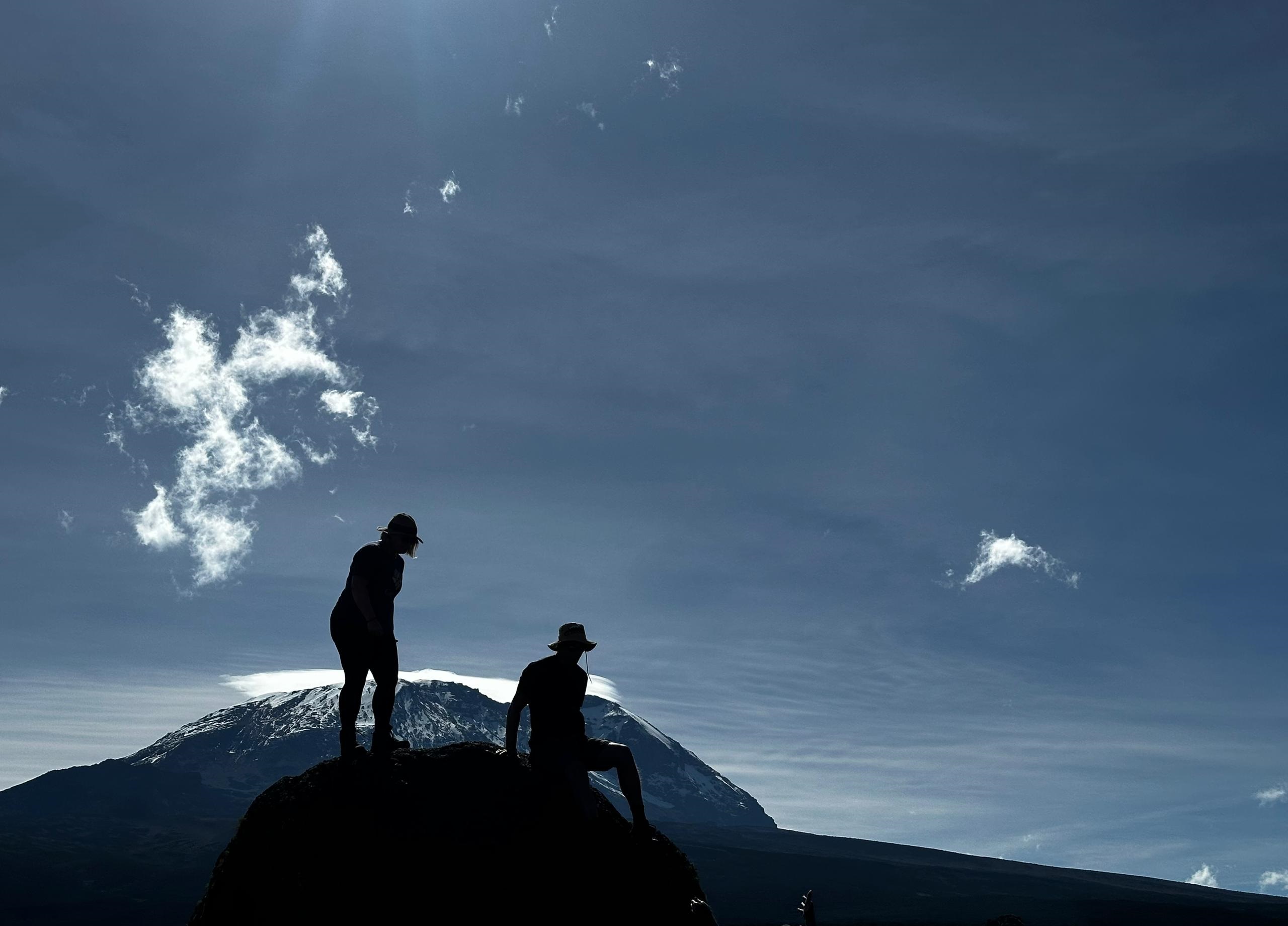 Best Time to Trek Mount Kilimanjaro